
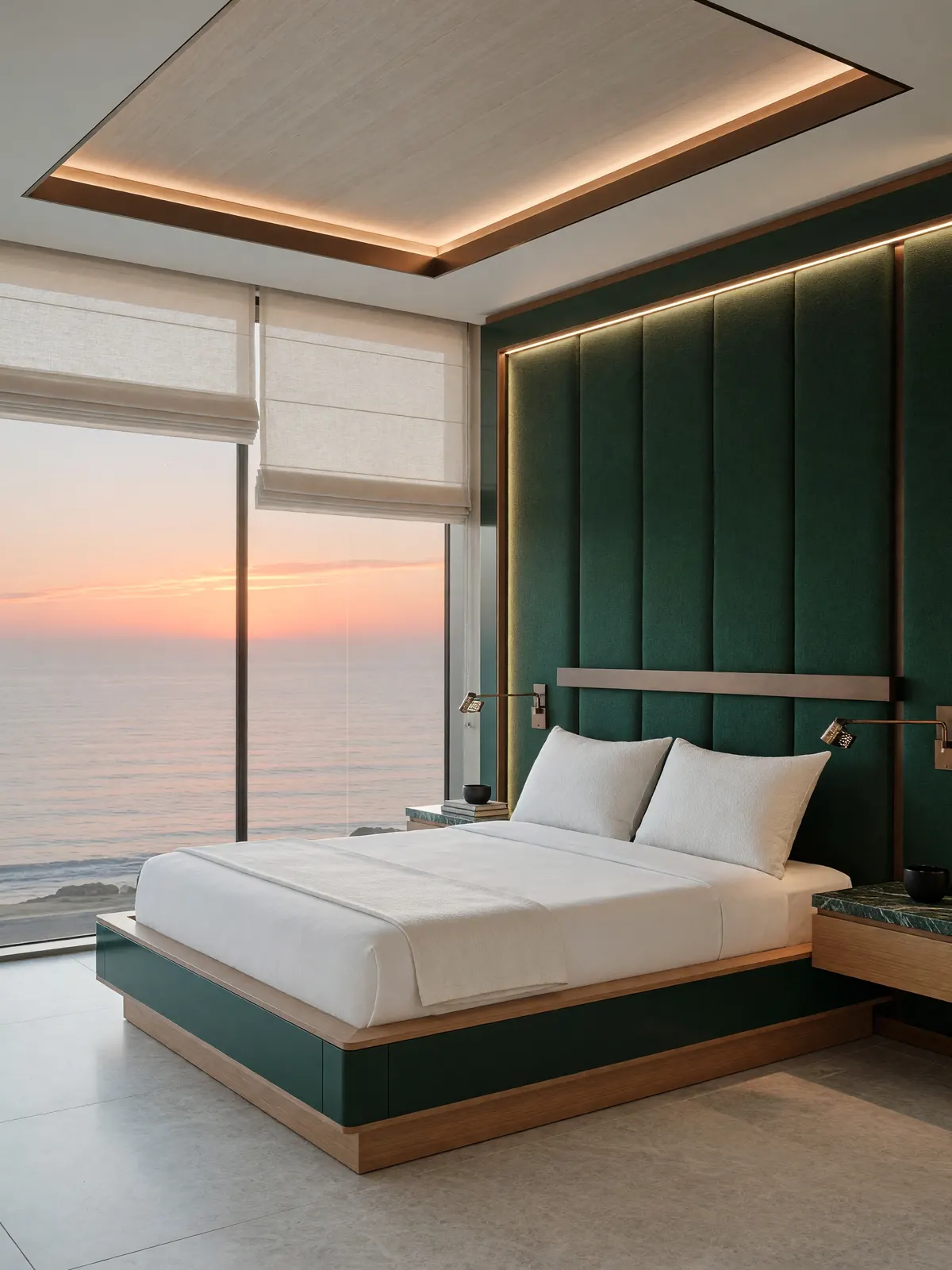
 33.4942° N 111.9261° W · SCOTTSDALE & PARADISE VALLEY, AZ
Motorized shades in Scottsdale
Scottsdale homes are built around west- and south-facing glass, and Phoenix averages 111 days a year at 100°F or hotter, per NOAA's 1991–2020 climate normals. Shades that track the sun keep rooms cooler and protect floors, art and furniture from fading. We introduce you to vetted, licensed installers who know how the desert sun moves through a home, and we stay with you until you're confident.
- Licensed Arizona contractors only, checked on the state lookup
- Savant, Control4, Crestron and Lutron specialists
- Only here for the winter? We start by phone or video
Licensed only
Every installer's state license, checked on the state's own lookup before any introduction.
Independent
We don't install or sell equipment, so there is no brand to push.
Never sold
Your details go only to the installers you choose to meet. Never to a list.
Free to you
Installers pay us only when a project goes ahead. You never pay us anything.
Shades that open and close on their own
Motorized shades raise, lower or tilt on their own, controlled by a keypad, an app, a remote, or a schedule tied to the sun. On a large home they typically connect into the same whole-home control system as lighting and audio, so a single 'morning' or 'movie' scene can adjust shades throughout the house at once. Fabric, opacity and mounting style are chosen room by room, so a media room might get a blackout fabric while a great room keeps a sheer that filters glare without blocking the view.
Shades run on either a rechargeable battery pack or a hardwired motor tied into your electrical system. Hardwired systems cost roughly 20 to 30 percent more to install but never need a battery changed or recharged, which matters on a hard-to-reach window. Battery-powered systems, such as Hunter Douglas's PowerView line, are often a better fit for retrofitting an existing home. Price is driven mainly by the number and size of windows, the fabric you choose, the motor type, and how deeply the shades tie into a broader control system.
What it usually includes
- Motorized roller, Roman, honeycomb or drapery-track shades
- A choice of fabric, from sheer to full blackout
- Battery-powered or hardwired motors
- Sun, UV or heat sensors tied to automatic scenes
- Keypad, remote, app or voice control
- Integration with a whole-home lighting or automation system
- Programming of daily or seasonal schedules
What it costs
One luxury installer's published guide prices a single motorized roller shade, installed, at $800 to $2,500; a full-home installation across 30 to 60 or more windows commonly runs $40,000 to $120,000 or more, and a 5,000-square-foot home typically lands between $25,000 and $100,000-plus. See our motorized shades cost guide for a room-by-room estimate.
The Scottsdale cost guide →What sun and glass mean for shades in Scottsdale
Chasing the sun
Desert-contemporary homes are built around west- and south-facing glass, so the same room can swing from comfortable to uncomfortably hot in an hour. Shades programmed to track the sun's path close on the hottest side of the house first, cutting glare and heat gain before a room even warms up, which matters most in homes with long, unbroken window walls.
Fading is a real cost
UV through unshaded desert glass fades floors, art and furniture over time, often before an owner notices it's happening. Motorized shades that close automatically during peak sun protect what's inside the home, and Phoenix's average of 111 days a year at 100°F or hotter (NOAA 1991–2020 climate normals) shows how much sun that glass takes on across a typical summer.
Homes built for the outdoors
Many Scottsdale homes open onto pools, ramadas and outdoor kitchens, and the line between indoors and outdoors is often just a wall of glass or a covered patio. Exterior motorized shades and screens extend that outdoor living into the shoulder seasons and cut glare on patio and ramada televisions, without anyone having to remember to adjust them by hand.
Check any installer's license yourself
In Arizona, contractors must be licensed by the Registrar of Contractors (ROC), which issues separate residential and commercial license classes. Before you hire:
Common questions
Straight answers to what owners ask us most.
Do motorized shades really help with Scottsdale's heat?
Yes. They can close automatically as the sun reaches west- or south-facing glass, which keeps rooms cooler and reduces the load on the air conditioning through the 100°F-plus days Phoenix averages each summer, 111 of them a year on average (NOAA 1991–2020 climate normals).
Can shades protect furniture and art from fading?
Yes. Scheduling shades to close during peak sun on unshaded glass cuts the UV exposure that fades floors, art and furniture over time, which matters most in rooms with large, west- or south-facing windows that catch the afternoon sun directly.
What do motorized shades typically cost?
It depends on the number and size of windows, the fabric and whether the motors are hardwired or battery-powered. See the motorized shades cost guide for typical ranges and what drives the price up or down.
Should I choose battery-powered or hardwired motorized shades?
Hardwired shades cost roughly 20 to 30 percent more to install but never need a battery changed, which is worth it for hard-to-reach or frequently-used windows. Battery-powered shades, such as Hunter Douglas's PowerView line, install with less disruption and are often the better choice when retrofitting a home that's already finished, according to one luxury installer's guide.
How much do motorized shades cost for a whole house?
According to one luxury installer's pricing guide, a focused installation covering 10 to 15 windows typically runs $15,000 to $35,000, while a whole-home installation across 30 to 60 or more windows runs $40,000 to $120,000 or more. Price depends mainly on window count, fabric choice, and how deeply the shades integrate with your other systems.
Two minutes now. The right installer, sooner.
Tell us about the home. We'll confirm the details with you, then book your first consultation with the installer who fits best.